Why The Next Generation of Leaders Needs to Understand Rural India
Rural India, encompassing vast landscapes and diverse communities, remains the heart of the nation despite rapid urbanisation. As of 2025, India’s total population is estimated at 1.46 billion, with approximately 63%, or over 922 million people, residing in rural areas. This demographic reality underscores why the next generation of leaders—whether in business, politics, or social sectors, must deeply understand rural India.
Ignoring rural India risks exacerbating inequalities, as it contributes significantly to the economy through agriculture, which accounts for about 17.7% of GDP and employs nearly half the workforce. In an era of globalisation and digital transformation, understanding rural India’s challenges and opportunities is essential for sustainable national progress, ensuring leaders build a cohesive, resilient India.
Economic Imperative
Rural India’s economic significance cannot be overstated, making it crucial for future leaders to comprehend its intricacies. Agriculture, the backbone of rural livelihoods, produced an estimated $567 billion in output, positioning India as the second-largest agricultural producer globally. Beyond farming, rural areas are emerging consumer markets, with increasing demand for goods and services fueled by rising incomes and digital penetration.
However, challenges like fragmented landholdings and low productivity, exacerbated by climate change, hinder progress. Future leaders need to advocate for sustainable practices, such as precision farming and supply chain improvements, to unlock rural economic potential. Without this understanding, policies may favour urban centres, widening income gaps and stunting national growth.
Social and Cultural Dimensions
Rural India’s social fabric is rich with cultural diversity, traditions, and community bonds that shape national identity. Home to myriad languages, festivals, and artisanal crafts, rural areas preserve India’s heritage while facing modernisation pressures. Leaders must understand these dynamics to promote social cohesion and address inequities, such as gender disparities, where women constitute a significant portion of the agricultural workforce but often lack access to resources.
Cultural sensitivity is key. For example, rural communities emphasise collective decision-making, which contrasts with urban individualism. Ignoring this can lead to failed interventions, like top-down development programs that overlook local customs. Moreover, rural youth, comprising a large demographic dividend, aspire for education and skills but grapple with inadequate infrastructure.
Future leaders who appreciate rural social structures can design initiatives that empower marginalised groups, fostering innovation in areas like handicrafts and eco-tourism. This understanding cultivates empathetic leadership, essential for tackling issues like health disparities and education gaps, ultimately building a more harmonious society.
Political and Policy Relevance
Politically, rural India wields immense influence, with its voters determining election outcomes and shaping national agendas. In a democracy where rural constituencies dominate, leaders must grasp grassroots realities to formulate effective policies. Understanding rural politics helps leaders navigate caste dynamics, farmer protests, and demands for better governance.
Rural challenges, including unemployment, poor soil quality, and weather unpredictability, demand nuanced approaches. For instance, policies on subsidies, irrigation, and rural infrastructure directly impact livelihoods, yet often fail due to urban biases.
Globally, leaders who engage with rural populations, like those in emerging economies, drive balanced development, a lesson Indian leaders must heed.
Opportunities for Innovation and Sustainability
Rural India offers fertile ground for innovation, where leaders can apply technology and entrepreneurship to solve endemic problems. With challenges like water scarcity and low agricultural productivity, sustainable solutions, such as solar-powered irrigation or AI-driven crop advisory, can transform livelihoods. Future leaders must understand these opportunities to harness rural talent, fostering startups in agritech, renewable energy and more.
Conclusion
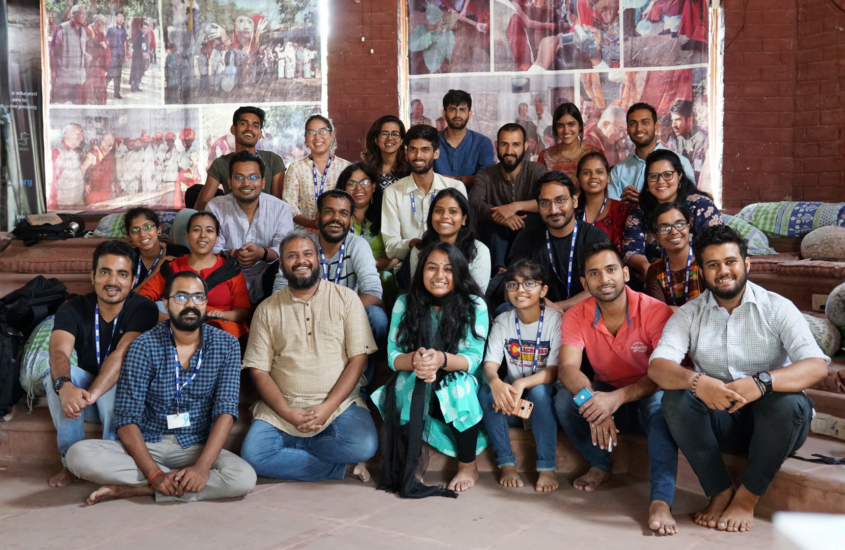
The SBI Youth for India Fellowship is a 13-month transformative journey that immerses passionate youth in rural India, enabling them to work closely with communities, experiment with ideas, and create long-term impact with partner NGOs. Through this experience of innovation and collaboration, Fellows grow into changemakers and future social leaders
If you are passionate about understanding India beyond its cities and contributing to meaningful change, explore the SBI Youth for India Fellowship. Applications for Batch 2026-27 are now open. Visit register.youthforindia.org to learn more about eligibility and the application process.